
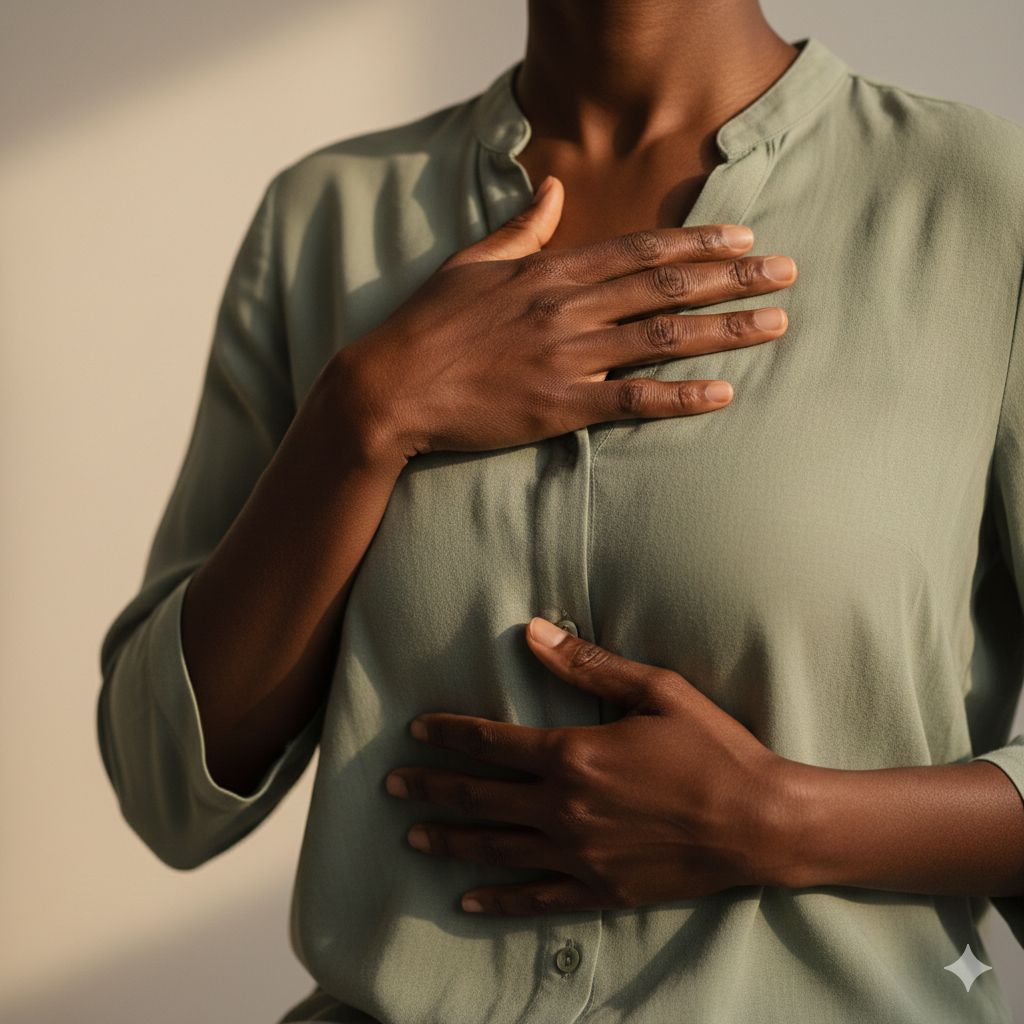
5-minute calm: quick breathing for anxiety relief
Simple, science-backed breathing techniques you can use anywhere to calm your nervous system and find relief in just five minutes.
Anxiety does not wait for a convenient moment. It can strike in the middle of a meeting, on a crowded bus, at 2 AM when the world is quiet but your mind is not. The good news is that you carry one of the most powerful anxiety-relief tools with you at all times — your breath.
Whether you are dealing with everyday stress or full-blown panic, the four techniques in this guide will give you concrete, actionable steps to calm your body and quiet your mind — starting right now.
Why breathing actually works
When anxiety hits, your sympathetic nervous system floods your body with adrenaline. Slow breathing is a direct line back to calm.
The vagus nerve connection
Slow, deep breathing stimulates the vagus nerve — the longest nerve in your body, running from your brainstem to your abdomen. When activated, it triggers your parasympathetic nervous system, which lowers heart rate, reduces blood pressure, and signals your brain that you are safe.
Heart rate variability
Controlled breathing increases heart rate variability (HRV), a key marker of emotional resilience. Higher HRV means your body can shift more easily between states of alertness and calm — exactly what you need when anxiety takes hold.
Measurable results in minutes
Studies show that just 90 seconds of slow, controlled breathing can begin to lower cortisol levels. After five minutes, most people experience a noticeable drop in heart rate, muscle tension, and anxious thinking.
Box breathing
Used by Navy SEALs and first responders. Four equal phases of four seconds each, forming a "box" pattern.
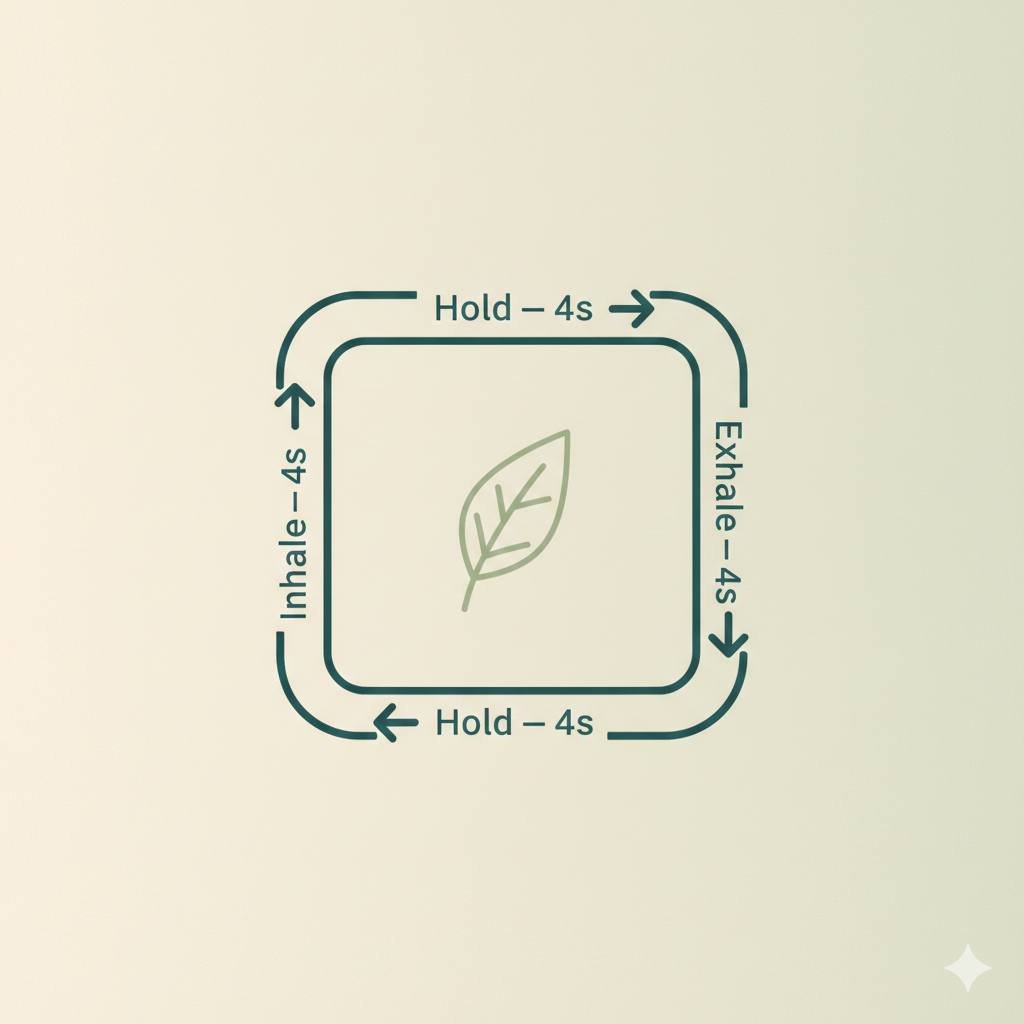
Box breathing: inhale, hold, exhale, hold — each for 4 seconds.
- 01
Sit comfortably with your feet flat on the floor. Close your eyes or soften your gaze. Exhale all the air from your lungs slowly.
- 02
Inhale slowly through your nose for 4 seconds, filling your lungs completely. Feel your chest and belly expand.
- 03
Hold your breath for 4 seconds. Stay relaxed — do not clench your jaw or tense your shoulders.
- 04
Exhale slowly through your mouth for 4 seconds, releasing all the air steadily and completely.
- 05
Hold your breath again for 4 seconds before the next inhale. Repeat this cycle 4 times for a complete session.
The 4-7-8 method
Developed by Dr. Andrew Weil. The extended exhale is the key — when your exhale is longer than your inhale, it activates the relaxation response.
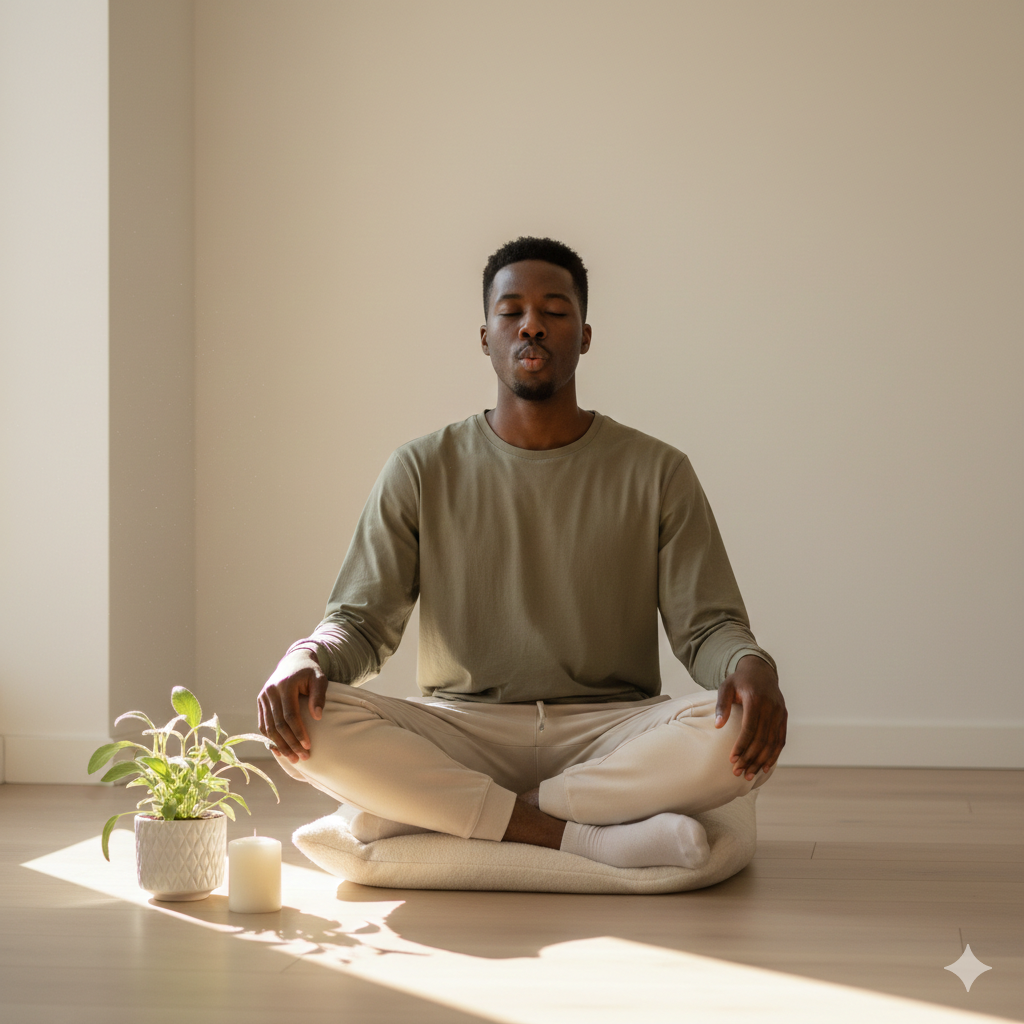
Inhale for 4 seconds
Breathe in quietly through your nose for a count of four. Let the air fill your lower belly first, then your chest.
Hold for 7 seconds
Hold your breath gently for a count of seven. This pause allows oxygen to saturate your bloodstream and activates the calming response.
Exhale for 8 seconds
Exhale completely through your mouth, making a gentle whooshing sound, for a count of eight. This extended exhale triggers the deepest relaxation.
Repeat three to four times. Especially powerful at bedtime — many find it helps them fall asleep faster.
Diaphragmatic belly breathing
The foundational skill that underlies all other techniques. Most anxious people breathe shallowly into their chest — belly breathing reverses the pattern.
- 01
Sit or lie down in a comfortable position. Place one hand on your chest and one hand on your belly, just below your ribcage.
- 02
Breathe in slowly through your nose for about 4 seconds. Focus on sending the air downward — your belly hand should rise while your chest hand stays still.
- 03
Exhale slowly through pursed lips for about 6 seconds, gently pressing your belly inward as the air leaves. Your chest hand should still barely move.
- 04
Repeat for 5–10 cycles. With each exhale, consciously release tension from your shoulders, jaw, and forehead.
5-4-3-2-1 grounding
When anxiety escalates into panic, this technique uses your five senses to anchor you back to the present moment.

- 5
things you can see
Look around slowly and name five things you can see. Be specific — not just "wall," but "the crack in the white wall near the window."
- 4
things you can touch
Notice four textures. The fabric of your clothes, the smooth surface of a desk, the warmth of your own skin, the cool metal of a railing.
- 3
things you can hear
Close your eyes and listen for three distinct sounds. Traffic outside, the hum of a fan, birds, your own breathing.
- 2
things you can smell
Notice two scents — coffee, soap, fresh air, the paper of a book. If you cannot smell anything, move somewhere you can.
- 1
things you can taste
Take a sip of water, chew gum, or simply notice the current taste in your mouth. This final step completes the sensory circuit.
Building a daily practice
These techniques work best when you practice them before you need them. Practice in calm moments so your body responds automatically when anxiety strikes.
Start with one technique. Pick the method that resonates most and commit to practicing it once a day for two weeks. Morning is ideal.
Anchor it to an existing habit. Practice right after brushing your teeth, during your commute, or before your first meal.
Keep it short. Five minutes is enough. Consistency matters far more than duration.
Track your progress. Notice how you feel before and after each session. Over time you'll see patterns.
Layer in more techniques. Once one feels natural, add another. Multiple tools give you flexibility for different kinds of anxiety.
Start your calm journey today
Track your breathing practice, monitor your anxiety, and discover which techniques work best for you. One breath at a time.